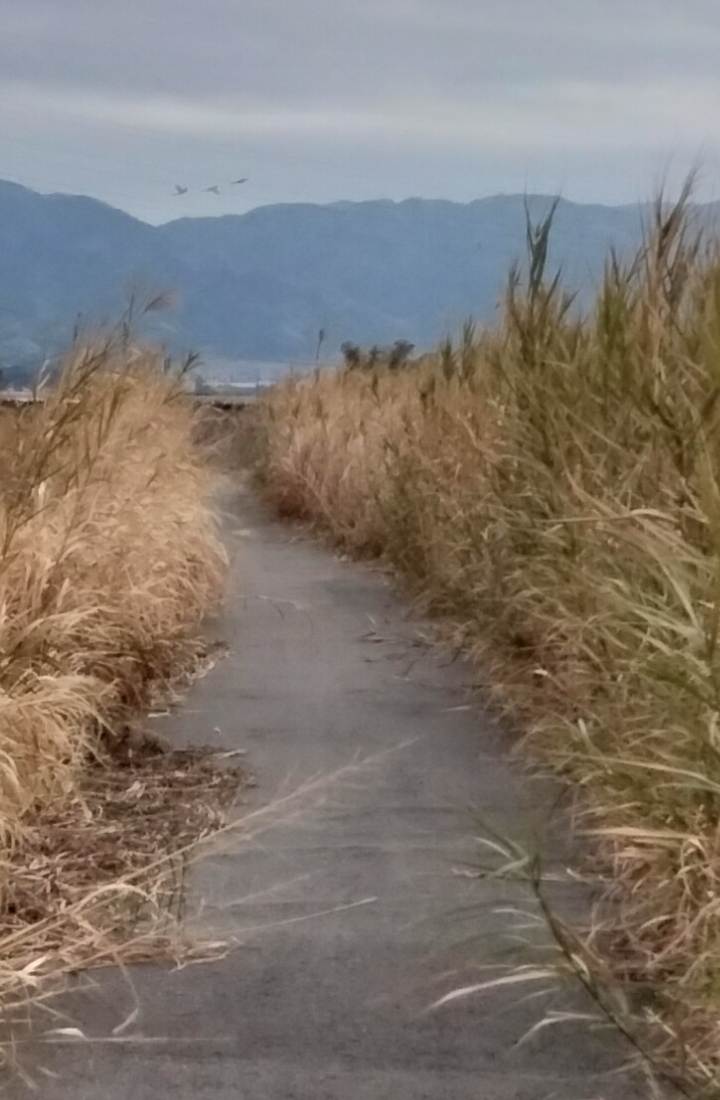
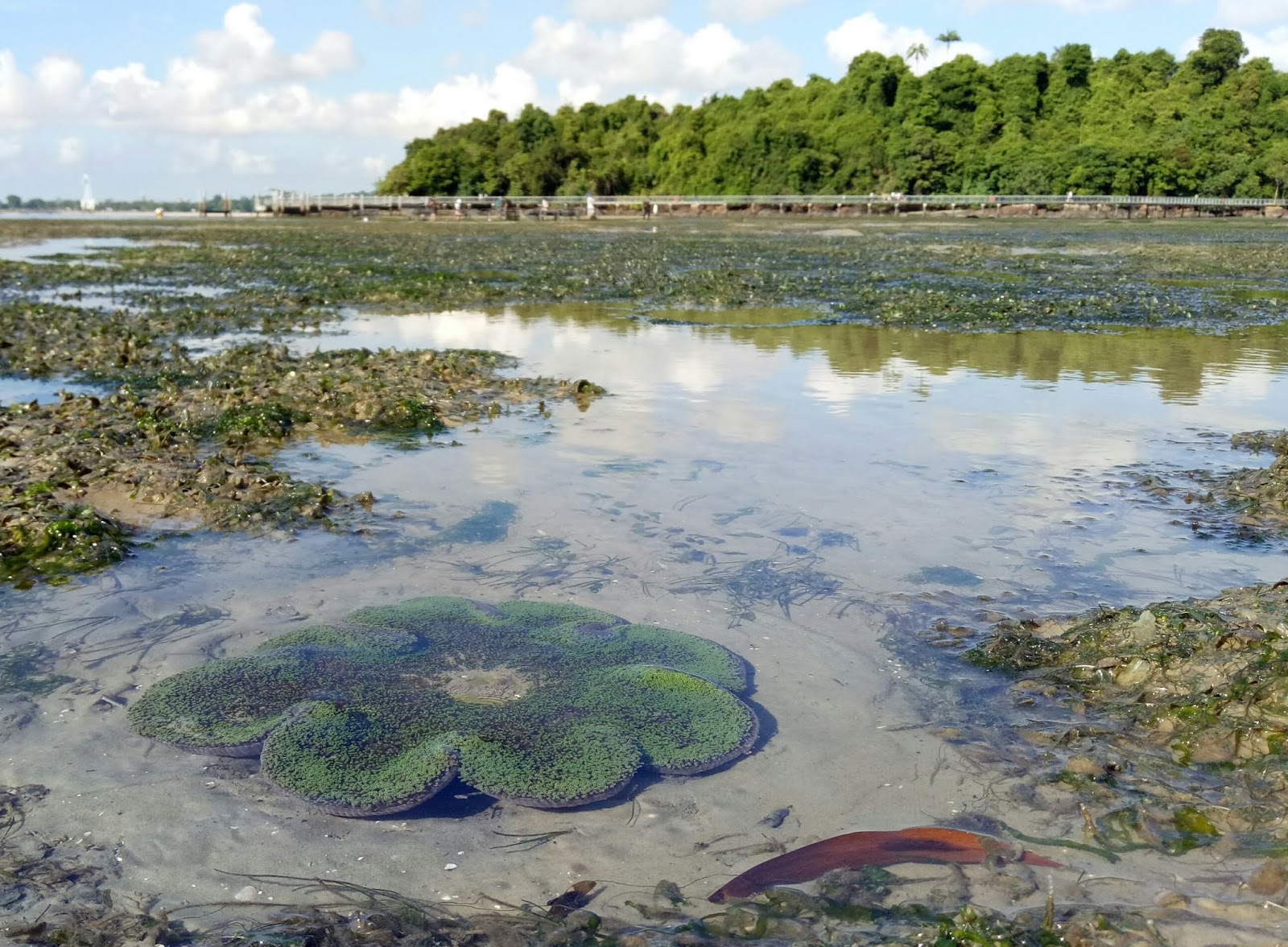
True to weather, October has been wild and contrasting. Inter monsoon wind and rain are confused and if I may add, as erratic as human affairs playing it out under the moody sky in true Thomas Hardy fashion.
First came the good news for Mandai mudflats. It finally found official recognition and is set to open in 2022 as a 72.8ha nature park to be named Mandai Mangrove and Mudflats. A modest beginning, hopefully, for better things to come.
Not long after, though, we were suddenly struck by the great loss of Subaraj Rajathurai - an outspoken advocate for our native wildlife - who passed away at 57. Hitherto he lived to see for himself a ray of hope shining for Mandai mudflats.
It was back in 2003 that I wrote and submitted an essay entitled 'Jewel in Jeopardy' (appended below) to The Ministry of National Development advocating the preservation of Sungei Mandai mudflats.
Today I am drawn by the unfolding events to relive the moment how I put pen to thought sixteen years ago and to make sense of time since passed and of people the likes of Subaraj and I, and many others who, at their own behest, represented a spot of earth such as Mandai mudflats with a feather of hope in our cap for conservation.
October also saw the successful opening of the Jewel at Changi Airport by Prime Minister Lee Hsien Loong. The feeling of national pride is evident as he paid tribute to Jewel as an idea or symbol that epitomises how in Singapore, we as a people must dream boldly to create new possibilities. As he put it - "Dream big, apply themselves and nothing is impossible."
It made me smile an everlasting smile like a quiver of my little feather. For these are age-old familiar words and ideas that still echoes from the distance of time immemorable.
But far beyond the politics of monuments and memorials, humble folks have from time to time answered the call of wild geese to dream the hopes of our beautiful world. Not from glass palaces and gold-trimmed stairs, but from the wildering heights of mountains, plains and seas.
Somewhere in time, a young wild goose found his jewel on such a rare spot of earth and called it his own. To him belongs the family of all things and the inheritance for all. My beautiful world, my all.
Jewel in Jeopardy
Sungei Buloh Wetland Reserve, located in a district fondly referred to as Kranji by many, sits pretty along the scenic waterway of Western Johor Straits. Though much change had been effected by our nation’s underlying need for water, the damming of several river systems - namely, Kranji, Sarimbun, Poyan and Tengah - did not seem to eliminate the ‘naturalness’ one still feels and sees especially from the vantage point of a boat ride along this strait.
In a word, it is a visual feast; one which is fundamentally enhanced by the remaining coastal vegetations that had survived such change and the diversity of coastal birds that grace the sky above.
At the heart of this naturalness, Sungei Buloh Wetland Reserve sits like a crown jewel. ‘Gem’ was how Senior Minister Lee Kuan Yew described Sungei Buloh in his congratulatory note written in the Visitor Book during a recent visit.
He is not alone in this sentiment. Of the 5000 Singaporeans ‘from all walks of life’ solicited for feedbacks to URA’s Concept Plan 2001, ‘they all felt there was a need to protect nature areas and Sungei Buloh was mentioned at the time’ - Mr. Wong Tuan Wah, Director of Park Management, National Parks Board (ST, Nov 12, 2001).
Indeed, this gem is highly valued and a great price has been paid for it. ‘The land was actually zoned for an agro-technology park. It would have been a profitable economic venture. Instead, we decided to turn it over to the birds’, said Prime Minister Goh Chok Tong when he opened Sungei Buloh as Singapore’s first wetland nature park in 1993. ‘Considering that we have a very high population density of about 4,400 persons per sq km, this is a big commitment to nature conservation’, he said (ST, Dec 7, 1993).
Come December 2003, another 10 years of ‘opportunity cost’ or investment would have been added to this value. However, one should not forget the crown for the jewel.
The gem, that Sungei Buloh is, has in the millennia been set securely in the ‘silver and gold’ of adjacent ecosystems (see map). All are linked as close ecological partners, and any detrimental changes to one may affect the others irreversibly. Recent exclusion of Sungei Mandai from URA’s draft plan poses questions about this vulnerability. If ecological links are ‘broken’, our crown jewel and all our investment may be lost at sea forever.
Prof. Murphy D. H., a well-loved lecturer whose decades of tutelage at the National University of Singapore had moulded several generations of biologists, had this ecological link firmly in mind when he wrote his paper ‘Birds, Mangroves and Man: Prospects and Promise of the New Sungei Buloh Bird Reserve’ published in 1990. (Essays in Zoology, Papers Commemorating the 40th Anniversary of the Department of Zoology, National University of Singapore).
Simply put, the bird life at Sungei Buloh will be adversely affected should ever Mandai mudflats be reclaimed. His study revealed that ‘Mandai does not provide the conditions required for roosting waders but the mudflats next to the Mandai mangroves are a major feeding area for the birds that roost at Sungei Buloh.’
Clearly, the management of Sungei Buloh Wetland Reserve cannot be confined within its boundary. At stake are not only the birds, but the collective investment put in through years of commitment and hard work by the National Parks Board, volunteers, NGOs and business partners alike. Also at stake are the opportunity cost invested in Sungei Buloh ever since and our reputation as a serious conservation strategist.
Sungei Buloh’s destiny is ecologically tied to Mandai mudflats. Undoing it could jeopardize everything we hold dear.
Map of Western Johor Straits
Legend:
PS - Pulau Sarimbun
SR - Sarimbun Rocks
HR - Herald Rocks
HSR - Horseshoe Reef
LCKM - Lim Chu Kang Mangrove
SBWR - Sungei Buloh Wetland Reserve
SBM - Sungei Buloh Mudflats
KM - Kranji Mudflats
SMM - Sungei Mandai Mudflats